
The illusion of a clear overview
Most OEMs have a reasonably clear picture of their installed base — a list of delivered machines, a customer overview, a service tool with registered installations. From that perspective, the installed base looks like an inventory. A collection of machines spread across different customer sites.
That view works fine when you're thinking logistically or commercially. It tells you where machines are, when they were installed, and which contracts are attached to them.
But the moment service and data start playing a bigger role, that picture breaks down. The installed base is not an inventory. It's a complex system.
Every machine lives in a different reality
On paper, machines of the same type look identical. Same product name, same core functionality, same design. In practice, every installation develops its own operational context almost immediately after delivery.
Machines run at different customer sites, process different products, and are operated by different people. Process settings evolve based on local conditions. Maintenance happens according to different routines.
After a few years of use, two machines of the same type are often far less comparable than expected. Their behavior has been shaped by their history — thousands of small events: parameter changes, maintenance interventions, software updates, operator decisions, process adjustments. Together, they form a unique operational context for each installation.
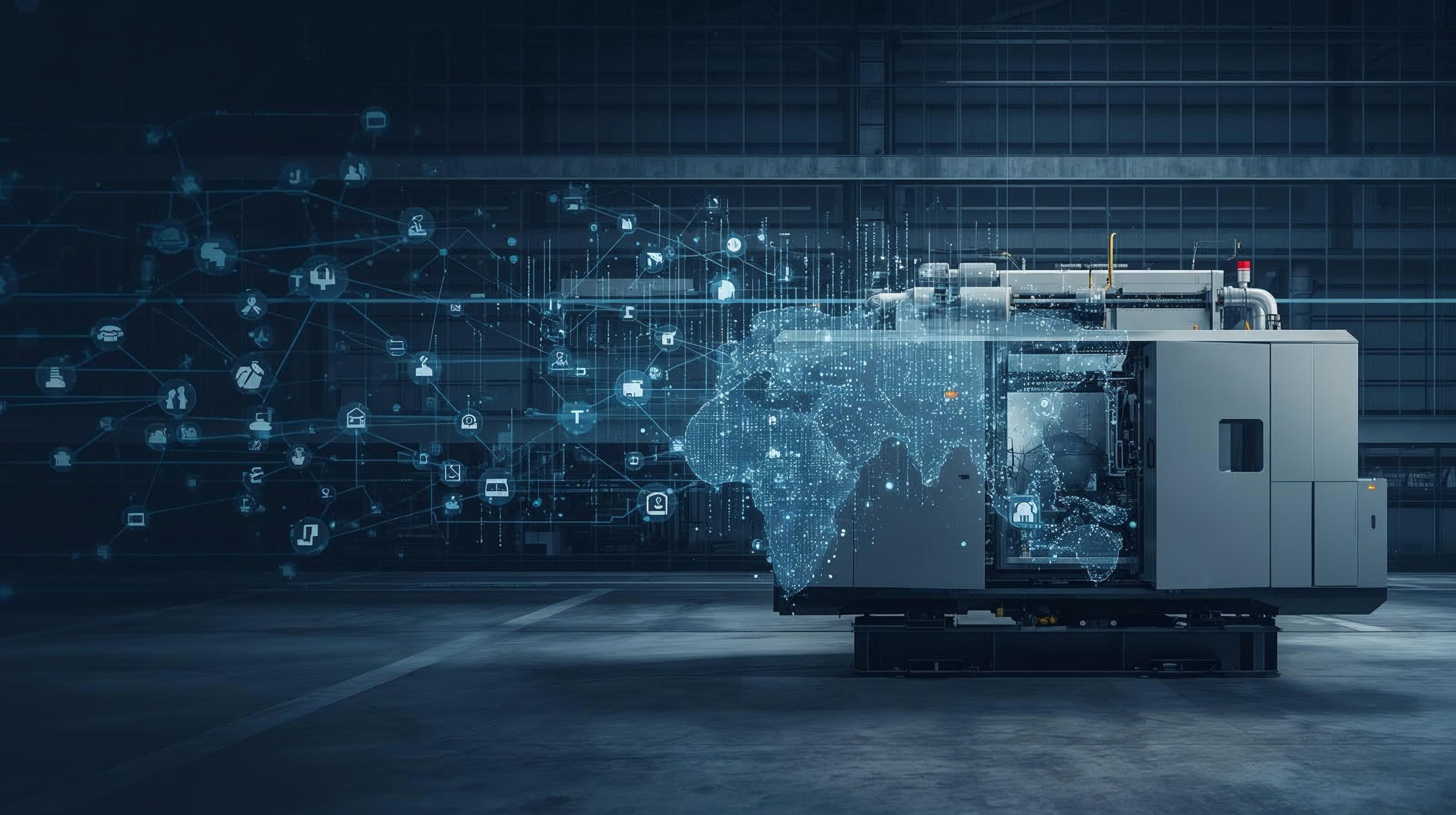
When an OEM looks at its installed base, it is really looking at a network of machines, each with its own evolution.
Why this makes service difficult
This complexity becomes visible the moment a service engineer tries to analyze a problem remotely.
A customer reports a fault. The engineer tries to understand what happened. But quickly it becomes clear that the context of that specific installation is not fully available. Which software version is running? Which sensors are active? What configuration was chosen at installation?
Even small differences in configuration can have a significant impact on machine behavior. When that context is missing, troubleshooting becomes harder. Engineers have to first figure out how the installation is set up before they can even start analyzing the problem.
Remote service is not just a technical challenge. It is an information challenge.
The core problem: data spread across systems
The root of the issue lies in how installed bases are traditionally managed.
Most OEMs register assets in a service tool or ERP system, while operational data lives in a separate historian or IoT platform. Configuration and software versions are stored somewhere else again. Maintenance records may be in yet another system.
The installed base ends up fragmented across different tools. For a human, that may feel manageable. For systematic analysis, it is a serious limitation. Data that logically belongs together remains technically separated — and the installed base cannot function as one coherent system.
What changes when the asset is the starting point
A more effective approach organizes everything around the asset itself.
Instead of storing information per software tool, all relevant data is linked to the installation it belongs to. Sensor values, alarms, configurations, maintenance activities, and software updates are all connected to the same asset identity.
The machine becomes the central anchor point for data.
When a service engineer investigates a problem, they no longer need to consult multiple systems to gather context. The events around the machine form a chronological history of what happened — immediately accessible, consistently structured.
From reactive troubleshooting to pattern recognition
When the installed base is organized this way, the nature of service changes.
Engineers can analyze events that occurred before a fault appeared. They can compare configurations across different installations. They can identify patterns that appear across multiple machines — a certain fault type occurring more frequently with a specific configuration, a process setting consistently causing higher component stress, a software update producing unexpected effects on certain machine versions.
That kind of insight only emerges when data from different installations becomes comparable.
The installed base stops being just a source of service requests. It becomes a source of knowledge.
The role of Capture
Capture helps OEMs structure their installed base this way. The platform connects data from different systems around the assets they belong to, giving each machine a consistent identity within the data structure.
Sensor values, events, configurations, and maintenance activity remain linked to the same installation context. Service engineers can analyze events around an asset more quickly and recognize patterns across multiple installations.
When an installed base is organized this way, it becomes the foundation for effective remote service — and for an OEM that doesn't just deliver machines, but truly understands them.
Want to get your reporting straight?